
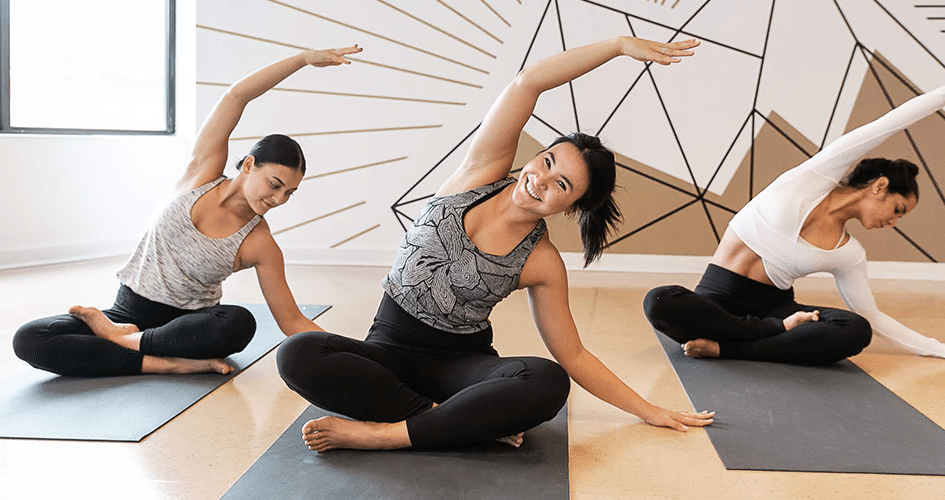

Posture is often treated as a visual standard: shoulders pulled back, chin level and spine held upright. That image may look polished for a moment, but posture is not a single position that the body should maintain all day. It changes with the task, environment, mood and individual structure.
Thoughtful yoga classes can support posture by improving movement choices, strength and body awareness rather than enforcing a rigid shape. They may also help practitioners move with greater poise, meaning control, ease and adaptability, without suggesting that confidence can be read from one body position.
Posture Is Dynamic
Standing to deliver a presentation, sitting on a train and relaxing on a sofa require different arrangements. None has to be held indefinitely. Discomfort often relates less to one supposedly bad posture and more to staying in a limited range for too long.
Yoga can introduce alternatives. Practitioners explore flexion, extension, side bending, rotation, weight shifts and varied arm positions. The result is not a permanently corrected pose, but a body that can move between positions more comfortably.
Appearance Does Not Diagnose Health
Rounded shoulders, an arched lower back or an asymmetrical stance do not automatically indicate pain, weakness or dysfunction. Normal bodies vary. Photographs and mirrors cannot reveal tissue capacity, medical history or how a person feels.
Posture-focused instruction should avoid frightening language about damaged spines or misplaced joints. It can offer movement options and strength without claiming to fix every visible difference. Persistent pain or neurological symptoms need appropriate clinical assessment.
Poise Comes From Control, Not Stiffness
Poise is sometimes mistaken for holding the torso completely still. In practice, smooth movement requires small adjustments. The feet respond to the floor, the pelvis shifts, and the ribcage moves with breathing.
Yoga balance and transitional work can refine these adjustments. Moving from a lunge into a single-leg stance with control may cultivate more useful poise than standing rigidly in mountain pose. The quality comes from responsiveness, not from freezing the body.
Start With the Feet and Ground Contact
Confident standing begins with reliable contact with the floor. This does not require distributing weight according to one exact formula. Different poses ask the foot to load in different ways.
Slow weight shifts, calf raises and supported single-leg work help practitioners notice pressure through the heel and forefoot. Toes can contribute without gripping constantly. Better foot awareness may make standing sequences feel more stable and reduce unnecessary tension higher in the body.
Hip Strength Supports Upright Movement
The hips help control the pelvis during walking, stairs, lunges and balance. If a practitioner lacks confidence in one leg, they may rush transitions or use excessive upper-body tension.
Bridge variations, controlled lunges, side-lying leg work and supported balance can develop hip capacity. Range should be chosen so the practitioner can maintain steady movement. A smaller stable lunge usually contributes more to poise than a deep position that requires struggling to exit.
The Spine Needs Options, Not One Neutral Shape
Neutral alignment is useful for many loaded tasks, but the spine is designed to move. Yoga can expose it to flexion, extension, rotation and side bending in appropriately scaled ways. Avoiding all spinal movement may reduce confidence rather than build it.
The goal is to distribute movement instead of forcing one area to create all of it. In a backbend, for example, thoracic movement, hip extension and shoulder range can share the task. Props and smaller variations help maintain control.
Shoulder Position Should Follow the Task
The instruction to pull the shoulders down and back is common, but the shoulder blades naturally rotate and elevate as the arms move overhead. Holding them down can make reaching feel restricted.
Wall slides, arm circles and light weight-bearing teach the shoulder blades to move around the ribcage. In standing posture, the arms can rest naturally rather than being pinned into position. Ease often looks more confident than visible bracing.
Breathing Influences How Posture Feels
Breathing moves the ribs, abdomen and spine. A practitioner trying to hold the stomach in and chest up may restrict that movement. The resulting position can look upright while feeling tense.
Yoga offers opportunities to breathe in different shapes. Side-lying, prone and supported positions change sensory feedback around the ribcage. The aim is not to direct every breath into one area, but to allow breathing to remain responsive as posture changes.
Balance Training Builds Quiet Confidence
Balance poses create manageable uncertainty. Practitioners learn to focus, make small corrections and recover when a foot touches down. That process can build confidence more effectively than demanding stillness.
Using a wall or chair allows the nervous system to practise the position without excessive fear. Support can be reduced gradually. Progress may appear as a calmer recovery from wobbling rather than a longer perfect hold.
Slow Transitions Improve Movement Presence
Poise is visible between poses as much as within them. Fast transitions can hide reliance on momentum, while slow transitions reveal how weight is transferred. This does not mean every class must move slowly, but deliberate practice develops options.
A practitioner can pause midway through standing, lower with control or coordinate an arm movement with a step. These skills transfer to everyday actions such as rising from a chair, carrying a bag or moving through a crowded space.
Gaze and Attention Shape Movement
Where the eyes go can affect balance, head position and confidence. Constantly looking at other practitioners may make movement hesitant or rushed. A stable gaze gives the body a consistent reference.
Yoga instructors may offer a drishti, or visual focus, but it should remain adaptable. People with vestibular or visual concerns may need a stationary point and slower head movement. Closing the eyes is an added challenge, not a requirement for better awareness.
Posture Practice Should Not Become Body Policing
Beauty and wellness messaging sometimes presents “good posture” as proof of discipline, youth or attractiveness. This can turn normal variation into a defect. It may also exclude people whose bodies cannot or should not conform to a narrow visual standard.
Yoga teaching can support elegant, controlled movement without attaching moral value to spinal curves, body size or flexibility. Poise belongs to many body types. It develops through familiarity and agency rather than correction by shame.
Practise Posture Beyond the Mat
One class cannot determine how the body feels during a week of sitting and commuting. Short position changes during the day reinforce the variety explored in yoga. Walking during a call, changing chair support or standing briefly may be enough.
These are not corrective exercises that cancel poor posture. They are opportunities to vary load. The most useful class gives practitioners ideas they can apply without turning the entire day into a posture-monitoring project.
Choose Teaching That Builds Agency
At Yoga Edition, practitioners can select classes that match their experience and ask instructors for variations when a standard cue feels uncomfortable. Helpful instruction explains the intention of a movement and allows more than one valid solution.
Over time, this approach can produce a quieter form of confidence. Practitioners know how to adjust, where to direct effort and when support is useful. They no longer need every pose to look identical before trusting their movement.
Let Poise Be Adaptability
Better posture is not the ability to hold one ideal alignment from morning to night. It is the capacity to move, settle, breathe and respond to different situations with less unnecessary effort.
Yoga can develop that capacity through strength, balance, attention and varied movement. The visible result may be greater ease, but the deeper change is practical: the practitioner has more choices and greater confidence using them.
Frequently Asked Questions
Can yoga permanently correct poor posture?
Posture is dynamic rather than a defect with one permanent correction. Yoga can improve movement options, strength and awareness, while daily habits and task demands also matter.
Should I keep my shoulders pulled back all day?
No. The shoulders should be able to move with reaching, breathing and changing tasks. Holding them back continuously can create unnecessary tension.
Which yoga poses are best for confident posture?
Standing balances, bridges, controlled lunges, wall slides and varied spinal movements can help. The best choices depend on individual goals and comfort.
Does slouching cause back pain?
Slouching is not automatically harmful. Remaining in any position for too long may become uncomfortable, and back pain usually has multiple possible contributors.
Can yoga make walking look more graceful?
Yoga may improve balance, hip control, body awareness and transitions, which can influence movement ease. It does not impose one correct walking style.
Should I use a mirror to check my alignment?
A mirror can provide occasional feedback, but it should not replace internal sensation or instructor guidance. Constant checking may encourage visual comparison.

Comments are closed.