
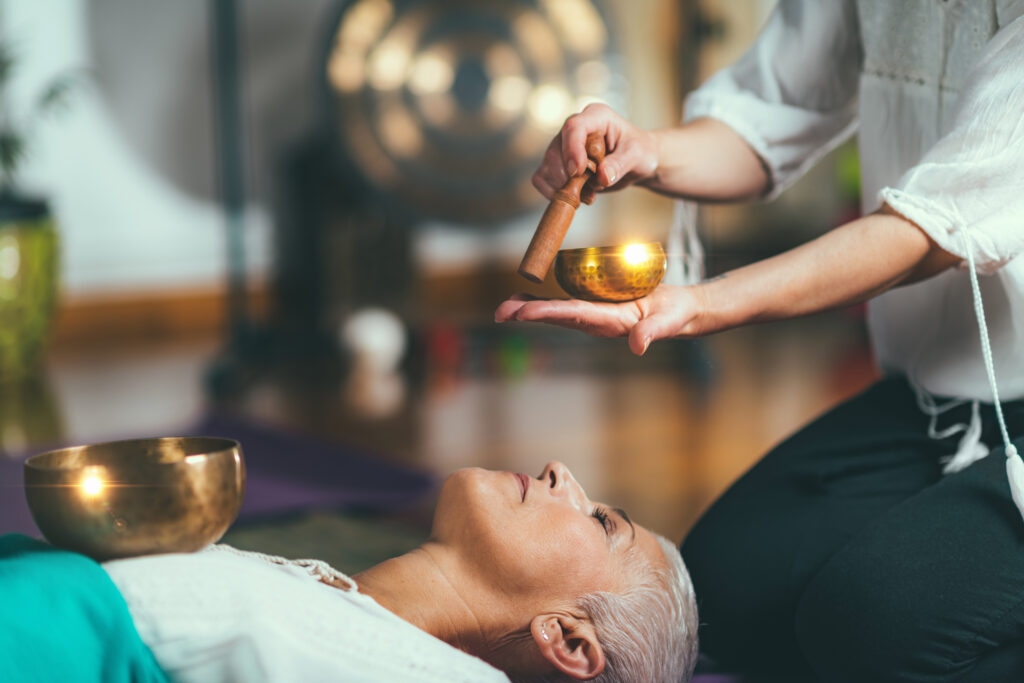

The definition of a luxury spa experience has undergone a profound transformation. For decades, consumer wellness was defined almost entirely by physical manipulation and topical treatments, such as deep tissue massages, body wraps, and advanced clinical facials. While these traditional modalities remain highly effective, modern consumers are increasingly seeking solutions for a different kind of exhaustion: mental burnout, chronic stress, and digital overload.
This shift in consumer demand has propelled sound bath therapy from a niche, alternative wellness practice into the mainstream spotlight. Today, premium destination resorts and urban day spas are rapidly renovating their facilities to include dedicated acoustic sanctuaries. A sound bath is a deeply immersive, full-body listening experience where participants recline comfortably while a trained practitioner plays a variety of instruments designed to emit specific vibrational frequencies.
This acoustic intervention does not rely on traditional music or rhythmic melodies. Instead, it utilizes abstract, sustained tones that envelop the listener. The widespread adoption of this practice across the global spa industry is not merely a passing design trend. Rather, it represents a data-backed response to the mental health challenges of the modern era, offering an accessible gateway to profound neurological relaxation.
The Physics and Physiology of Sound Healing
To understand why sound bath therapy is such an effective spa service, one must look past the mystical terminology and examine the underlying biophysical mechanisms. The human body is not a static object; it is a complex biological system operating via electrical impulses, fluid dynamics, and cellular vibrations.
The Mechanism of Entrainment
The primary scientific principle behind sound therapy is a phenomenon known as brainwave entrainment. The human brain contains billions of neurons that communicate via electrical impulses, creating rhythmic patterns commonly referred to as brainwaves. When the brain is exposed to a strong, consistent external frequency, its internal electrical patterns naturally begin to mirror and synchronize with that external stimulus.
During a typical chaotic workday, a person’s brain operates primarily in the Beta frequency range, which corresponds to active logic, critical thinking, high alertness, and often anxiety. When a participant enters a sound bath, the practitioner introduces deep, resonant frequencies that steadily coax the brain out of the frantic Beta state and down into the Alpha and Theta ranges. The Alpha state fosters a sense of relaxed awareness, while the Theta state represents deep meditation, heightened creativity, and the twilight zone of light sleep where profound emotional processing occurs.
The Instruments of the Trade
A professional spa sound bath utilizes a carefully curated selection of ancient and modern acoustic instruments, each selected for its specific overtone profile:
-
Quartz Crystal Singing Bowls: Made from crushed pure quartz silicon sand, these bowls produce pure, piercingly clear sinusoidal waves that vibrate intensely through the surrounding air and tissue.
-
Nepalese Brass Bowls: Constructed from complex alloys of multiple metals, these traditional instruments produce warm, complex, grounding tones filled with rich harmonic overtones.
-
Deep Earth Gongs: Massive metal discs that generate wide, sweeping frequencies capable of delivering a physical sensation of vibration to the listener’s skin and skeletal structure.
-
Chimes and Rainsticks: High-frequency instruments used at specific intervals to gently clear the acoustic landscape and keep the mind from falling completely asleep.
Activating the Parasympathetic Nervous System
The modern lifestyle keeps the human nervous system locked in a state of low-grade, chronic fight-or-flight activation, driven by constant digital notifications, work deadlines, and urban noise pollution. This prolonged sympathetic nervous system dominance floods the body with cortisol and adrenaline, elevating blood pressure, suppressing immune function, and causing profound mental exhaustion.
A sound bath acts as a direct, non-chemical off-switch for this stress response. The sustained, unpredictable, yet soothing acoustic environment removes the mind’s need to analyze or predict upcoming patterns. When you listen to a traditional song, your brain is constantly anticipating the next chorus or beat. In a sound bath, the absence of a linear melody forces the analytical left hemisphere of the brain to surrender its control.
As the mind relaxes, the vagus nerve—the main highway of the parasympathetic nervous system—is stimulated. This stimulation triggers a systemic cascade of physical relaxation: the heart rate slows down, blood pressure drops, respiration deepens, and the body finally enters a state of deep cellular repair and digestion. Spas have realized that a sixty-minute sound bath can achieve a depth of nervous system decompression that would normally take a consumer days of vacation to reach.
Overcoming the Psychological Barriers to Meditation
One of the greatest operational advantages of sound bath therapy within a spa menu is its incredible accessibility. For years, spas attempted to introduce traditional silent meditation or mindfulness classes, but these programs frequently suffered from low engagement.
The average modern consumer possesses a fragmented attention span. When placed in a completely silent room and told to empty their mind, they often experience a surge of frustration as their thoughts race uncontrollably. This phenomenon, known as the monkey mind, causes participants to leave the session feeling more stressed than when they arrived.
A sound bath completely bypasses this psychological barrier. The rich, textured sounds provide an anchor for the mind. Instead of trying to force silence, the participant simply floods their auditory cortex with the vibrations of a crystal bowl or gong. The sound acts as a mental scaffolding, making it incredibly easy for even the most hyperactive, skeptical beginner to slip into a deep meditative state without conscious effort or prior training. It is meditation made passive, aligning perfectly with the core spa philosophy of effortless relaxation.
Designing the Ultimate Acoustic Sanctuary
The incorporation of sound baths into the luxury spa framework requires careful architectural and environmental planning. Spas are moving away from simple yoga studios and investing heavily in custom-built acoustic chambers.
Structural Soundproofing and Acoustics
To preserve the delicate vibrational landscape of a sound bath, the treatment room must be completely isolated from the rest of the spa facility. Architects utilize specialized acoustic drywall, double-stud walls, and heavy insulated doors to block out the low-frequency hum of nearby laundry facilities, plumbing systems, or hallway footsteps. Inside the room, strategically placed acoustic panels and natural wood finishes prevent harsh echoes, ensuring the sound waves wash over the participants smoothly rather than bouncing aggressively off hard concrete surfaces.
Tactile Comfort Enhancements
The physical positioning of the guest is critical to their ability to receive the sound. Spas arrange participants on ergonomic mat systems, memory foam loungers, or heated water beds. Guests are equipped with weighted eye pillows filled with dried lavender to eliminate visual stimuli and trigger the oculocardiac reflex, which lowers the heart rate. High-quality cashmere or weighted blankets are provided, as the body temperature naturally drops significantly during deep parasympathetic relaxation.
The Future of Multi-Sensory Spa Modalities
As the wellness industry evolves, spas are increasingly pairing sound baths with other established treatments to create powerful, hybrid multi-sensory experiences. It is now common to find sound healing integrated into floating isolation tanks, private salt cave therapy sessions, and infrared saunas. By combining the cellular detoxifying properties of infrared heat or halotherapy with the neurological benefits of brainwave entrainment, spas can offer highly optimized, time-efficient treatments that address both the physical and psychological components of modern stress.
Frequently Asked Questions
Can a sound bath trigger a negative physical or emotional release during a session?
Yes, it is entirely common for individuals to experience an intense emotional release, such as crying, laughter, or sudden anxiety, during a sound bath. When the brain drops into the deep Theta state and the nervous system lets go of its defensive posture, suppressed emotional tension and physical stress held within the muscles can surface rapidly. Professional spa practitioners are trained to hold space for these experiences, reassuring guests that emotional detoxification is a normal part of the healing process.
Is sound bath therapy safe for individuals who have a history of seizures or epilepsy?
Individuals with a history of epilepsy, especially photosensitive or sound-sensitive epilepsy, must consult their medical physician before participating in a sound bath. Certain rapid acoustic frequencies, prolonged resonant overtones, or intense binaural beats can potentially alter neurological electrical activity and act as a trigger for a seizure event. Always inform the spa coordination team of any neurological conditions prior to booking.
How does the physical proximity to the instruments affect the efficacy of the treatment?
Physical proximity dramatically changes the tactile experience of the session. Sound is fundamentally a mechanical wave that travels through matter. When you are positioned close to a massive earth gong or a large quartz bowl, your body feels the physical displacement of air molecules against your skin and skeletal structure. Being closer increases the somatic, physical sensation of the sound, while being further away emphasizes the purely auditory component of the meditation.
Can individuals with hearing loss or deafness still benefit from a spa sound bath?
Yes, individuals with varying degrees of hearing impairment or total deafness can still derive immense value from a sound bath. Because sound waves are physical vibrations, they travel through the water molecules and bone structures of the human body. Deaf participants can feel the deep resonant vibrations of gongs and lower-frequency brass bowls through the floor and treatment mats, allowing them to experience the somatic relaxation and nervous system grounding of the therapy.
What is the ideal group size for a luxury spa sound bath experience?
For a premium, luxury spa environment, group sizes are typically capped between eight to twelve participants to ensure optimal comfort, personal space, and acoustic balance. Smaller group sizes allow the practitioner to move through the room and place specific singing bowls closer to individual guests, customizing the vibrational intensity. Many spas also offer private, one-on-one sound bath sessions for individuals seeking targeted emotional or physical recovery.
Why do some practitioners strike the bowls in specific directions around the room?
Sound waves interact dynamically with the geometry of a room. Practitioners move through the space striking instruments in specific directional patterns to create a moving landscape of sound, known as spatial audio. This intentional movement prevents the sound from becoming stagnant or directional from a single stage point. By moving the source of the frequency around the room, the practitioner helps the listener stay fully immersed and prevents the brain from easily localizing the sound, which deepens the meditative state.

Comments are closed.