
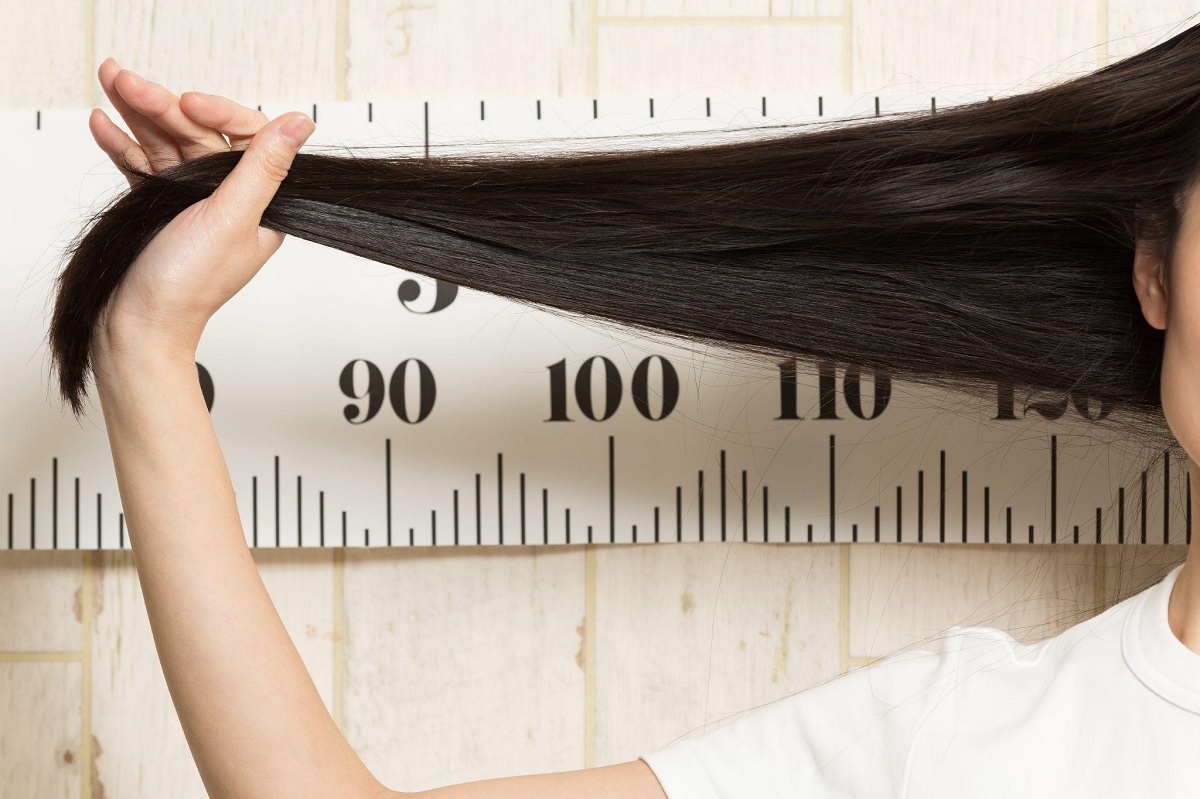

If you’re wondering how to grow thicker hair, you’re not alone. Countless people struggle with thinning, lackluster locks and dream of achieving enviable, commercial-worthy volume.
The good news?
Professional hairstylists have decades of wisdom about stimulating hair growth naturally. While no magical overnight solution exists, these expert-approved hacks can help you achieve the luscious locks you crave.
The Science Behind Hair Growth
Before exploring the techniques, you need to understand how hair growth works. Your hair follows a natural cycle consisting of three phases: anagen (growth), catagen (transition) and telogen (resting). Each strand can be in a different phase at any given time, and various factors, including genetics, diet, stress and hair care practices, influence this cycle.
1. Start from the Inside Out
Stylists and physicians agree: Beautiful hair starts with proper nutrition. Your hair needs specific nutrients to grow strong and healthy. Iron deficiency, in particular, can significantly impact hair growth. Including iron-rich foods like spinach, lentils and lean meats in your diet can make a noticeable difference. Additionally, biotin, omega-3 fatty acids and vitamins A, C and E are necessary for hair growth. If you have lackluster locks despite maintaining a healthy, well-balanced diet, schedule an appointment with your doctor. A simple blood test could reveal a simple deficiency as the cause.
2. Explore the Ancient Art of Hair Oiling
The benefits of hair oiling go way beyond basic conditioning. This centuries-old Indian practice nourishes the scalp and strengthens hair from root to tip using various natural oils. Coconut oil deeply penetrates the hair shaft, preventing protein loss, while argan oil provides essential fatty acids and vitamin E. Warm the oil slightly and massage it into your scalp for about 10 to 15 minutes. Leave it in your hair overnight or at least 30 minutes before shampooing and conditioning.
3. Form a Foundation for Healthy Hair
Many folks focus solely on their hair strands while neglecting their scalp. Your scalp is essentially the soil from which your hair grows, so it only makes sense that a healthy scalp is necessary for healthy hair. Using a soft-bristled brush to massage your scalp daily increases blood flow, potentially stimulating hair growth. Additionally, gentle exfoliation removes dead skin cells and product buildup that can clog hair follicles.
4. Embrace the Power of Professional Products
While drugstore products are appealing from an economic standpoint, investing in salon quality conditioner could impact your hair’s health and growth potential. Professional products contain higher concentrations of active ingredients and penetrate the hair shaft more effectively than their cheaper counterparts. Plus, you don’t need to use as much when you choose more concentrated products, which makes professional products more economical than they appear at first glance. For maximum benefits, look for products containing keratin, collagen and botanical extracts known to promote hair growth.
5. Protect Your Tresses from Extreme Temperatures

New Africa/Shutterstock.com
Heat styling tools create stunning looks but damage hair, leading to breakage and stunted growth. Professional stylists recommend limiting heat styling to two or three times per week and always using a heat-protectant product. When you do use hot tools, keep the temperature below 300°F for fine hair and 400°F for thick hair. Regardless of your texture, stay below 300°F to prevent further harm to damaged or chemically treated tresses.
6. Keep Up with Trims
Regular trims promote hair growth. We know — it sounds counterintuitive, but it’s true! Over time, split ends travel up the hair shaft, causing breakage and making hair appear thinner. Most stylists recommend scheduling trims every eight to 12 weeks, even when you’re growing it out. Tiny trims prevent split ends from causing more extensive damage and keep your hair looking healthy as it grows.
7. Style with Care
Avoid tight hairstyles that pull at your roots, as these can cause traction alopecia. When detangling, start from the bottom and work your way up using a wide-toothed comb or detangling brush. Consider switching to silk pillowcases to reduce friction and maintain moisture levels while you sleep.
8. Know the Role of Supplements
Most of the nutrients your body needs should come from a healthy diet, but certain supplements support healthy hair growth. Biotin supplements are particularly popular among stylists, though you should always consult a healthcare provider before starting any supplementation regimen. Other beneficial supplements might include collagen, vitamin D and iron, depending on your individual needs.
9. Manage Your Stress
Chronic stress can push more hair follicles into the resting phase, leading to increased shedding. Because of this, professional stylists emphasize the importance of stress management techniques like yoga, breathwork and exercise as part of a comprehensive hair care routine.
10. Recognize the Importance of Consistency
If there is one thing that most professional stylists agree on, it’s that growing your hair out requires patience and consistency. Results won’t appear overnight, no matter what technique or so-called miracle product you try. However, taking your stylist’s advice and following a dedicated regimen for at least three to six months can noticeably improve hair growth and overall health.
Closing Thoughts
Africa Studio/Shutterstock.com
Everyone’s hair is different, so what works for one person might not work for another. Start by incorporating one or two of these techniques into your routine and observe how your hair responds. Pay attention to changes in texture, thickness and growth rate. Document your progress with photos, and adjust your approach based on your hair’s needs.
The journey to healthier, thicker hair requires patience and dedication. While these stylist-approved hacks can stimulate growth and improve hair health, maintaining realistic expectations is essential. Focus on developing a sustainable routine that fits your lifestyle and works with your hair type — and remember that consistent care will yield the best results over time.
kei907/Shutterstock.com

Comments are closed.