
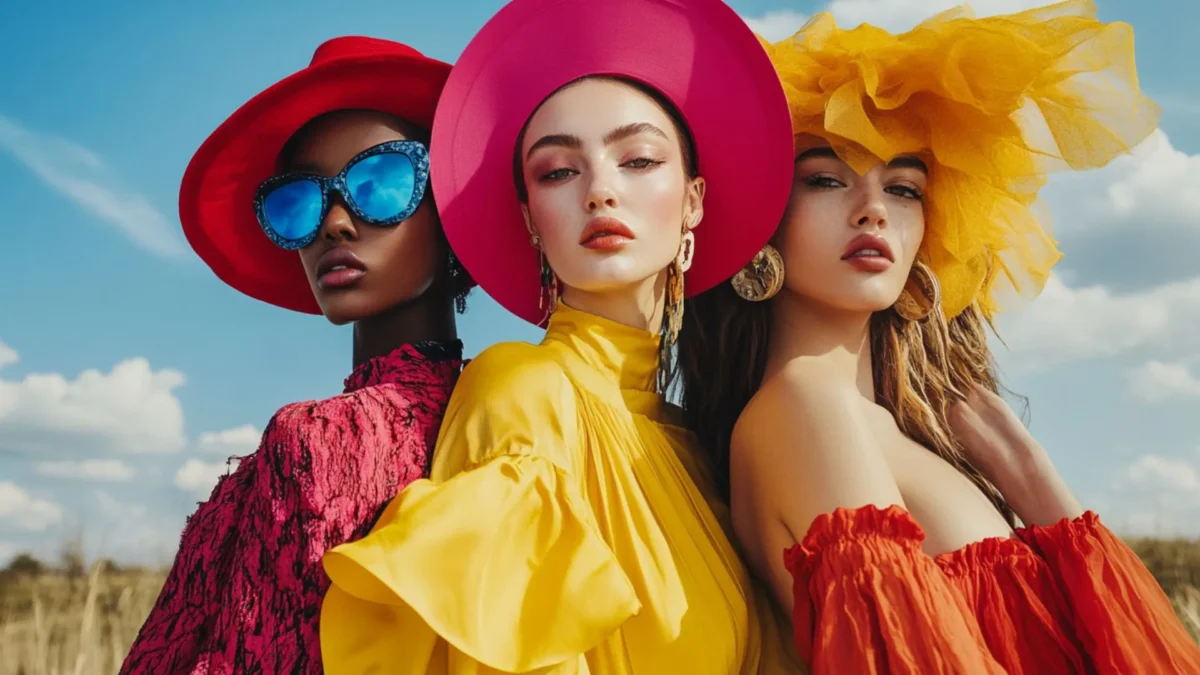

The traditional structure of the global fashion industry is undergoing a profound structural collapse. For over a century, the retail calendar operated on a rigid, top-down hierarchy dictated by distinct seasons. Major design houses showcased their collections on the runways of Paris, Milan, New York, and London, establishing the exact colors, silhouettes, and fabrications that would dominate the consumer market six months later. Mass-market retailers would then copy these concepts, filling department store racks with spring, summer, fall, and winter collections.
Today, that cyclical machine has stalled. The concept of the seasonal fashion trend is rapidly becoming an obsolete relic of the past. Consumers are no longer looking to centralized authorities, glossy magazines, or retail displays to tell them how to dress.
Instead, a massive cultural realignment is under way, centering on personal expression, historical curation, and individual lifestyle alignment. The modern consumer views clothing not as a tool for social conformity or status emulation, but as an intimate, highly customized extension of their internal identity, values, and psychological state.
The Structural Drivers Behind the Trend Collapse
The shift from seasonal conformity to individualized expression is not merely a passing aesthetic preference. It is the direct consequence of major technological, economic, and environmental transformations that have permanently altered how garments are produced, marketed, and perceived.
The Hyper-Fragmentation of Media and the Death of the Monoculture
In the past, the fashion monoculture was sustained by centralized media channels. A handful of influential editors, television programs, and movies established a unified aesthetic baseline that millions of people consumed simultaneously.
The rise of algorithmically driven discovery feeds has completely shattered this shared cultural landscape. Platforms distribute content based on hyper-specific user interactions, isolating individuals into distinct subcultural digital communities.
Because everyone is consuming a entirely different stream of visual stimuli, it is structurally impossible for a single, unified trend to capture the collective consciousness. A silhouette that is considered revolutionary within one digital subculture is completely unknown in another, effectively rendering the concept of a mainstream trend meaningless.
The Environmental Backlash Against Ultra-Fast Fashion
The traditional seasonal calendar of four cycles per year was long ago accelerated by fast-fashion giants into micro-seasons, with some retailers introducing thousands of new garment designs every single week. This hyper-acceleration pushed the concept of trends to its logical, absurd extreme.
When a garment is designed to look outdated within fourteen days of its production, consumers experience profound fatigue. The immense ecological toll of this disposable model, characterized by massive textile landfills and exploitative labor practices, has triggered a severe psychological backlash.
Conscious consumers are actively rejecting the constant cycle of forced obsolescence, opting instead to build stable, long-term personal wardrobes that exist completely independent of retail manufacturing timelines.
Enclothed Cognition and the Psychology of Style
As the pressure to conform to seasonal retail cycles fades, individuals are discovering the deep psychological benefits of intentional dressing. Neuroscientists and psychologists use the term enclothed cognition to describe the systematic influence that clothes have on the wearer’s psychological processes and behavioral patterns.
When you wear clothing that feels deeply aligned with your true personality, your brain experiences measurable shifts in confidence, cognitive processing abstract capability, and emotional resilience. Conversely, forcing yourself into a seasonal trend that does not fit your body type, lifestyle, or authentic aesthetic creates a form of low-grade psychological dissonance.
Freed from the mandate of buying what is currently on store shelves, people are utilizing their wardrobes as a form of non-verbal, daily self-actualization, dressing to stabilize their mood, amplify their focus, or project their unique creative perspectives to the outside world.
The Core Elements of the Personal Expression Wardrobe
The decline of the seasonal trend has given rise to an entirely new methodology for building a wardrobe. Rather than purchasing a collection of disparate items tied together only by the fact that they were all manufactured in the same calendar year, individuals are curating highly intentional, fluid style systems.
Archival and Vintage Integration
Instead of competing to buy the newest releases, fashion-forward consumers are treating the acquisition of clothing as an act of historical curation. The secondary marketplace for vintage, archival, and secondhand garments has transformed from a budget-driven alternative into a premier luxury destination.
-
Incorporating garments from distinct historical eras allows individuals to construct an aesthetic that cannot be replicated by purchasing mass-produced retail inventory.
-
This practice shifts the value of a garment away from its brand novelty and repositions it onto its rarity, historical narrative, and structural craftsmanship.
The Rise of Subcultural Uniforms
Rather than transitioning their entire look every six months to match the weather and retail shifts, people are adopting enduring personal uniforms based on their specific lifestyle interests and philosophical values.
Whether an individual aligns with minimal utility wear, dark academia aesthetics, heritage workwear, or avant-garde drapery, these style choices are maintained for years at a time. The uniform serves as a visual badge of honor, signaling allegiance to a specific global community or intellectual philosophy rather than a corporate marketing campaign.
Customization and Textile Upcycling
A vital component of the personal expression movement is the widespread democratization of garment customization. Consumers are increasingly modifying mass-produced items to fit their unique design preferences.
Through practices such as hand-dyeing, structural tailoring, visible mending, embroidery, and hardware replacement, a generic piece of clothing is transformed into a singular piece of wearable art. This process reintroduces a deep sense of emotional durability to ownership, ensuring the wearer maintains a connection to the item that transcends the fleeting lifespan of a retail trend.
The Operational Panic of Traditional Retailers
This fundamental shift in consumer behavior has sent shockwaves through the corporate offices of global fashion brands and heritage department stores. The traditional business model of predicting consumer demand two years in advance, manufacturing hundreds of thousands of identical units in overseas facilities, and using aggressive marketing to force them onto consumers is no longer financially viable.
Forward-thinking brands are completely abandoning the traditional seasonal calendar. In its place, they are shifting toward limited-run, artisanal drops, customizable design options, and gender-fluid collections that emphasize timeless silhouettes and industrial-grade durability.
Retail spaces are being re-engineered away from high-volume inventory warehouses and transformed into experiential showrooms focused on personal styling consultations, bespoke tailoring modifications, and garment repair services. The brands that continue to survive are those that realize their role is no longer to dictate taste from a corporate tower, but to provide high-quality structural tools that enable the consumer to express their own pre-existing identity.
Frequently Asked Questions
Does the rejection of seasonal fashion trends mean that clothing trends have completely disappeared?
No, trends have not disappeared entirely, but their nature has fundamentally transformed. Instead of slow, macro-level seasonal trends dictated by designers, the market now experiences hyper-fast, microscopic micro-trends that emerge from internet subcultures. Because these micro-trends flash and burn out within a matter of weeks, they are impossible for traditional retail supply chains to capitalize on, forcing mainstream consumers to seek stability in their own enduring personal style rather than attempting to chase the digital wind.
How can someone discover their authentic personal style if they have always followed mainstream trends?
Discovering an authentic personal style requires shifting attention away from shopping feeds and focusing inward on functional and psychological preferences. Start by analyzing your current wardrobe to identify the items you wear repeatedly when comfort and utility are your only priorities. Document your favorite outfits over a month, looking for recurring patterns in color palettes, garment weights, and silhouettes. Additionally, seek inspiration from historical eras, film architectures, and art movements rather than contemporary influencer feeds to find design elements that resonate with you on a deeper level.
Is building a wardrobe based entirely on personal expression more expensive than buying seasonal fast fashion?
While the upfront cost of purchasing high-quality, vintage, or ethically manufactured garments is often higher than buying cheap fast-fashion pieces, the long-term financial expenditure is significantly lower. A wardrobe built on personal expression focuses on emotional durability and physical longevity. Because the items do not lose their social value when a season changes, you buy far fewer garments over time, completely eliminating the constant, expensive cycle of replacing worn-out or aesthetically outdated clothing every few months.
How do seasonal weather changes fit into a wardrobe that completely rejects seasonal trends?
Rejecting seasonal fashion trends does not mean ignoring the physical realities of the climate. Instead, it means separating weather-appropriate utility from corporate marketing aesthetics. A personal expression wardrobe adapts to changing temperatures through strategic, modular layering systems rather than changing its core aesthetic philosophy. A person’s signature color palette, structural silhouette, and subcultural references remain completely consistent, whether they are executed through lightweight linen variations in July or heavy wool and technical outerwear pairings in January.
What role does body inclusivity play in the shift toward individual expression over trends?
The traditional seasonal trend system was built around rigid, exclusionary body standards, creating silhouettes designed to flatter a very narrow demographic. The shift toward personal expression celebrates bodily autonomy and individual anatomy. By ignoring mass-market dictates, consumers can seek out cuts, draping styles, and historical eras that honor their specific proportions, utilizing tailoring and customization to make the clothing conform to their physical body rather than trying to alter their body to fit a fleeting retail sample size.
How does the concept of gender-neutral or fluid clothing intersect with the decline of seasonal trends?
The traditional seasonal calendar relied heavily on a binary separation of mens and womens style departments to double retail sales opportunities. The rise of personal expression has dismantled these artificial boundaries. Modern consumers increasingly ignore retail floor divisions, sourcing garments based purely on textile quality, fit, structural design, and aesthetic compatibility rather than gender labels. This fluid approach dramatically expands the creative toolkit available for individual styling, allowing for highly unique, non-conformist wardrobe combinations.

Comments are closed.