
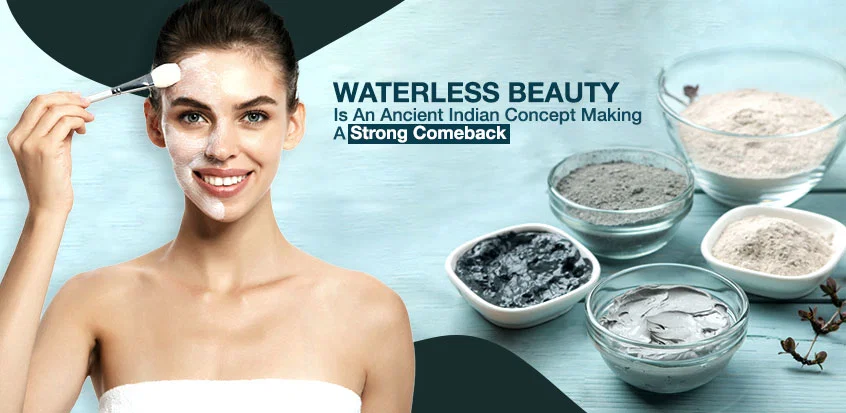

The global cosmetics industry is undergoing a significant structural shift driven by environmental sustainability, consumer demand for higher ingredient efficacy, and shipping optimization. At the center of this movement is the rise of waterless beauty, also known as anhydrous cosmetics. Traditionally, conventional personal care products—ranging from lotions and shampoos to facial serums—contain between sixty and ninety percent water. Water serves as an inexpensive solvent and filler, providing the familiar fluid texture of liquid cosmetics.
However, removing water entirely from the manufacturing equation fundamentally alters the underlying product chemistry. By shifting from liquid emulsions to anhydrous formats like solid bars, powder cleansers, treatment oils, and concentrated balms, cosmetic chemists are reinventing the product lifecycle.
While waterless formulations offer massive environmental advantages by reducing plastic packaging and lowering shipping weights, they introduce an entirely new set of physical, chemical, and microbiological preservation challenges that demand advanced formulation strategies.
The Microbiological Reality of Anhydrous Environments
To understand how waterless formulations disrupt traditional cosmetic chemistry, one must analyze the primary reason preservation is necessary: microbial contamination. Bacteria, molds, and yeasts require specific environmental conditions to survive, proliferate, and colonize a consumer product. The most critical factor governing this microbial growth is not the total moisture content within a container, but rather a metric known as water activity.
Water activity measures the vapor pressure of water in a product relative to pure water. It dictates the availability of free, un-bound water molecules that microorganisms can actively utilize for metabolic processes and cellular division. Most pathogenic bacteria require a water activity level above zero point nine one to thrive, while common molds can grow at levels down to zero point eight zero.
Conventional cosmetics, with their high concentrations of free water, possess a water activity level near one point zero, creating a virtual paradise for microbial growth. Consequently, these products require robust, broad-spectrum synthetic preservatives, such as parabens or phenoxyethanol, to continuously kill or inhibit microbes.
True waterless formulations, by contrast, possess a water activity level near zero. Without free water molecules, microorganisms cannot metabolize nutrients or replicate. While this anhydrous environment naturally prevents bacteria from proliferating, it does not mean the product is entirely sterile or immune to degradation.
The Shift From Antimicrobial Agents to Antioxidant Systems
The elimination of water largely mitigates the risk of bacterial nesting, but it replaces that threat with a completely different form of chemical degradation: lipid oxidation. Because anhydrous products remove water, they are composed primarily of plant oils, botanical butters, essential fatty acids, and lipid-soluble active ingredients.
When these organic fatty substances are exposed to environmental oxygen, ambient light, and elevated processing temperatures, they undergo a multi-stage chemical breakdown called oxidation. This reaction generates free radicals that attack the carbon bonds within the oils, leading to rancidity.
Rancidity does more than just ruin the aesthetic appeal of a cosmetic by producing unpleasant odors and altering the color of the balm or oil; it actively destroys the beneficial properties of the vitamins and nutrients within the product. Furthermore, oxidized lipids can become highly comedogenic and irritating, stripping the skin barrier rather than conditioning it.
Therefore, the preservation strategy for waterless cosmetics shifts away from traditional water-soluble bactericides toward robust oil-soluble antioxidant networks. Formulators rely heavily on distinct fat-soluble stabilizers to interrupt the oxidation chain reaction.
Key Antioxidant Stabilizers in Anhydrous Formulations
-
Tocopherols (Vitamin E): A naturally occurring, oil-soluble antioxidant that scavenges free radicals, preventing them from degrading fragile botanical oils.
-
Rosemary Leaf Extract (Rosmarinus Officinalis): A potent botanical extract rich in carnosic acid, highly prized for its ability to stabilize unsaturated vegetable oils against heat-induced rancidity.
-
Ascorbyl Palmitate: A fat-soluble form of Vitamin C that works synergistically with Vitamin E to continuously regenerate antioxidant molecules, extending the shelf life of lipid-heavy concentrates.
Consumer In-Use Contamination: The Bathroom Vulnerability
The greatest preservation challenge for waterless cosmetics does not occur during manufacturing or storage in a warehouse; it occurs once the product enters the consumer’s home. The typical bathroom is a warm, humid environment characterized by high water vapor pressure, frequent temperature swings, and direct human contact.
Many waterless products, such as powder facial cleansers, body scrubs, and solid masks, are designed to be mixed with water by the consumer at the exact moment of application. If a consumer dips wet fingers into a jar of waterless balm, or if steam from a shower condenses inside a container of powder face wash, water is accidentally introduced into the previously anhydrous system.
The moment water contaminates an anhydrous product, a localized microenvironment with a high water activity level is created. Because the product was formulated without traditional water-soluble preservatives, this newly introduced water pocket can foster rapid, unchecked microbial colonization.
Bacteria and mold can quickly spread across the surface of the oil or powder, rendering the product unsafe for skin application.
Architectural Solutions: Packaging and Self-Preserving Strategies
To protect waterless products from in-use contamination, cosmetic scientists cannot rely solely on raw ingredients. They must implement structural solutions that combine innovative packaging architecture with smart chemical design.
Protective Packaging Architecture
The physical container of a waterless product serves as its primary line of defense. Standard wide-mouth open jars are poorly suited for anhydrous powders and creams because they maximize exposure to ambient air and water droplets.
Instead, modern brands utilize airless pumps, single-dose biodegradable capsules, twist-up stick applicators, or narrow-nozzle shaker bottles. These closed delivery mechanisms ensure that the remaining product inside the container remains entirely isolated from external humidity and human touch during use.
Hurdle Technology and Self-Preservation
When packaging alone cannot guarantee complete isolation, formulators deploy hurdle technology. This approach involves combining multiple subtle, non-toxic environmental factors—or hurdles—that collectively prevent microbial survival without relying on traditional chemical preservatives.
-
Altering pH Environments: Maintaining an environment that falls outside the optimal metabolic zone for microbes.
-
Chelating Agents: Incorporating natural chelators like phytic acid or sodium phytate, which bind to metal ions in the formula, depriving potential microbes of the trace minerals they need to build cellular walls.
-
Using Multifunctional Glycols: Utilizing ingredients like caprylyl glycol or ethylhexylglycerin, which act as skin-conditioning emollients while simultaneously disrupting the lipid membranes of any bacteria introduced into the formula.
Reimagining the Clean Beauty Standard
Waterless beauty is completely redefining the operational paradigms of cosmetic chemistry. By stripping away the water filler, brands are providing consumers with highly concentrated, potent formulations that deliver exceptional performance while honoring global sustainability goals.
However, the path to successful anhydrous formulation requires a deep, sophisticated understanding of lipid stabilization, water activity metrics, and structural packaging engineering. As the beauty industry continues to evolve away from traditional liquid emulsions, the ability to safely preserve these waterless innovations against oxidation and accidental consumer contamination will remain the ultimate benchmark of modern product success.
Frequently Asked Questions
Can molds and yeasts still grow in an anhydrous product if no water is present?
If a product is truly anhydrous and contains absolutely zero moisture, molds and yeasts cannot grow because they require a minimum water activity level to survive. However, fungal spores can remain dormant within an anhydrous matrix for extended periods, waiting to activate and multiply the moment external humidity or water drops contaminate the container during consumer use.
What is the specific difference between a preservative and an antioxidant in cosmetic chemistry?
A preservative is an antimicrobial agent explicitly designed to kill or inhibit the growth of live microorganisms like bacteria, mold, and yeast. An antioxidant is a chemical stabilizer designed to slow down or prevent the non-biological oxidation and rancidity of fats, oils, and butters caused by exposure to oxygen and light.
Why do some waterless oils turn dark or change smell after a few months?
This transformation is a clear indication of lipid oxidation. When unsaturated vegetable oils are exposed to ambient oxygen and light, the fatty acid chains break down into volatile aldehydes and ketones, which alters the original fragrance, color, and texture of the cosmetic oil, rendering it less effective and potentially irritating to the skin.
Are waterless powder cleansers safer from contamination than waterless balms?
Powder formulations naturally possess a lower water activity level than balms, making them exceptionally stable during storage. However, they face a higher risk of in-use contamination because steam from a bathroom shower can easily penetrate standard powder packaging, causing the powder to clump and creating localized moisture zones where bacteria can thrive.
What role do chelating agents play in preserving waterless cosmetics?
Chelating agents act as chemical claws that bind to trace metal ions, such as iron and copper, which may be present in botanical ingredients or introduced via consumer tap water. By trapping these metal ions, chelators prevent them from catalyzing lipid oxidation reactions and simultaneously starve any introduced microbes of the essential minerals required for cellular growth.
How does the omission of water affect the concentration of active ingredients?
In conventional cosmetics, water comprises the vast majority of the volume, meaning active ingredients are often heavily diluted. Removing water results in a highly concentrated formula where active vitamins, peptides, and botanical extracts are delivered at much higher potencies, allowing consumers to use significantly smaller amounts of product to achieve the same skincare benefits.

Comments are closed.