

Managing complex skin conditions can be an incredibly frustrating journey. Among the most stubborn issues individuals face are hormonal acne and melasma. Unlike situational breakouts or temporary hyperpigmentation caused by a minor sun exposure incident, both of these conditions are deeply rooted in internal biochemical shifts.
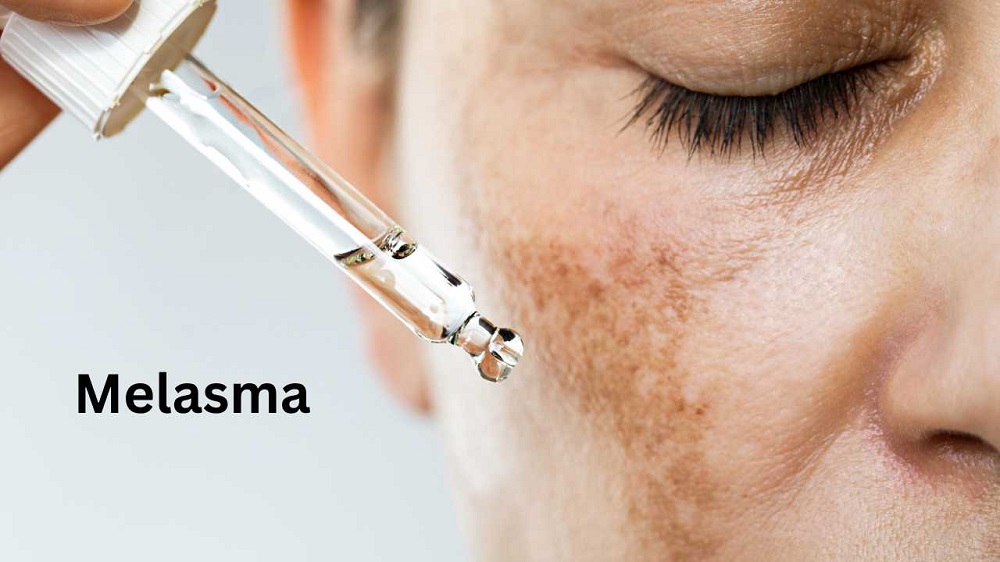
Hormonal acne typically manifests as deep, painful, cystic blemishes concentrated along the lower third of the face, specifically the jawline, chin, and neck. Melasma presents as symmetrical, patchy, brown or grayish-brown discoloration, most commonly appearing on the cheeks, upper lip, forehead, and bridge of the nose.
Because these conditions are driven by internal factors such as estrogen, progesterone, and cortisol fluctuations, standard over-the-counter skincare products rarely yield lasting results. In fact, aggressive self-treatment often worsens the situation by disrupting the delicate moisture barrier of the skin.
Professional licensed estheticians approach these dual challenges with a combination of advanced clinical modalities, specialized chemical formulations, and barrier-support protocols. By understanding the intersection of internal triggers and topical cellular behaviors, professionals can successfully guide the skin back to a state of clarity and even tone.
The Underlying Science of Hormonal Skin Disruption
To appreciate how a professional treatment functions, one must first understand what is happening beneath the stratum corneum. Both hormonal acne and melasma share a common thread: they are hypersensitive reactions to internal triggers.
The Mechanism Behind Hormonal Breakouts
During periods of hormonal fluctuation—such as the menstrual cycle, pregnancy, perimenopause, or elevated psychological stress—the body experiences a relative increase in androgen hormones. Androgens stimulate the sebaceous glands, causing them to produce an excess amount of sebum.
Crucially, this hormonally triggered sebum is thicker and stickier than normal oil. It mixes with shedding dead skin cells within the hair follicle, creating an anaerobic environment where acne-causing bacteria thrive. Because the blockage occurs deep within the follicle, it results in a blind pimple or cyst that causes significant inflammation before ever reaching the skin surface.
The Pathways of Melasma Hyper-Activation
Melasma is fundamentally a disorder of the melanocytes, which are the pigment-producing cells located at the base of the epidermis. While UV radiation acts as a major catalyst, fluctuating female reproductive hormones prime these melanocytes to become hyper-reactive.
When triggered, the cells produce an overabundance of melanin, which is then transferred to the surrounding skin cells. Because the pigment can reside in either the superficial epidermis, the deeper dermis, or a combination of both, clearing the patches requires a highly calculated, multi-layered approach that suppresses pigment production without triggering defensive post-inflammatory hyperpigmentation.
Professional Esthetic Protocols for Hormonal Acne
When treating hormonal cysts, a professional esthetician prioritizes reducing deep inflammation, accelerating cellular turnover, and controlling bacterial proliferation without stripping the skin of its essential lipids.
Target Chemical Peels
Standard physical scrubs are entirely inappropriate for cystic acne, as they cause friction that ruptures the underlying lesions, spreading bacteria and worsening inflammation. Instead, estheticians utilize targeted chemical exfoliation:
-
Salicylic Acid Peels: As a oil-soluble beta-hydroxy acid, salicylic acid can bypass surface oils and penetrate deep inside the lipid-rich environment of the clogged pore. It dissolves the sticky cellular debris, calms local inflammation, and flushes out the follicle.
-
Mandelic Acid Peels: Derived from bitter almonds, mandelic acid has a larger molecular size than other acids, meaning it penetrates the skin slowly and evenly. This makes it incredibly gentle for sensitive, inflamed skin while providing excellent antibacterial benefits.
High-Frequency Therapy
Following gentle extractions of non-inflamed blockages, professionals frequently employ high-frequency current technology. This modality utilizes a glass electrode filled with neon or argon gas to deliver a low-current electrical charge to the skin.
The current ignites the surrounding oxygen, creating a layer of therapeutic ozone directly on the skin surface. This localized ozone instantly neutralizes acne bacteria deep within the pores, dries out active cystic lesions rapidly, and stimulates local microcirculation to promote faster tissue healing.
Light Emitting Diode Therapy
Blue light emitting diode therapy operates at a specific wavelength, typically around 415 nanometers, which targets and destroys the specific bacteria responsible for acne flare-ups. This non-invasive light exposure causes the bacteria to self-destruct without generating heat or damaging the surrounding tissue.
Estheticians often pair this with near-infrared or red light therapy to penetrate deeper layers, reducing the painful swelling associated with deep jawline nodules.
Advanced Esthetic Modalities for Melasma Management
Treating melasma requires extreme caution. Aggressive treatments, excessive heat, or harsh friction can cause the hyper-reactive melanocytes to perceive a threat, resulting in a defensive rebound production of even deeper pigment.
Hydro-Dermabrasion and Infusion
Traditional microdermabrasion uses crystals or diamond tips to aggressively sand the skin, which can generate friction heat and worsen melasma. Professionals prefer hydro-dermabrasion, a modality that combines gentle vacuum exfoliation with the simultaneous infusion of liquid skin-brightening serums. This technique cools the skin, hydrates the barrier, and lifts away dead, pigment-laden surface cells without triggering a heat response.
Tyrosinase Inhibitor Treatments
The cornerstone of any successful professional melasma treatment is the strategic application of tyrosinase inhibitors. Tyrosinase is the essential enzyme required for melanocytes to produce melanin. By chemically blocking this enzyme, estheticians can slow down pigment production at the source. Professional facials for melasma utilize highly concentrated, stabilized versions of non-prescription brightening agents, including:
-
Kojic Acid: A natural byproduct of fungi fermentation that effectively inhibits pigment pathways.
-
Azelaic Acid: A dicarboxylic acid that selectively targets hyperactive melanocytes while calming vascular redness.
-
Tranexamic Acid: A powerful compound that interferes with the chemical interactions between melanocytes and surface keratinocytes, specifically blocking the pigment triggers caused by UV light and hormonal shifts.
-
Alpha Arbutin: A gentle derivative of hydroquinone that slowly releases skin-brightening properties without the risk of cellular toxicity.
The Balancing Act: Treating Concurrent Acne and Melasma
The ultimate challenge occurs when a client suffers from both hormonal acne and melasma simultaneously. Many traditional acne treatments, such as aggressive benzoyl peroxide or high-percentage glycolic acid, can cause irritation and redness. In a melasma-prone individual, that vascular redness frequently transforms directly into brown post-inflammatory hyperpigmentation.
In these delicate dual-diagnosis cases, the professional esthetician operates with a low-and-slow philosophy. They build up the moisture barrier using ceramides, fatty acids, and cholesterol before introducing active correctors. They prioritize multi-functional ingredients, like niacinamide and azelaic acid, which simultaneously reduce acne inflammation, regulate oil production, calm redness, and suppress the pigment enzymes responsible for melasma patches.
Home Care Integration and Long-Term Maintenance
A professional salon treatment is only as effective as the daily home care routine that supports it. Estheticians educate their clients that a single clinical facial cannot undo thirty days of poor home habits.
To maintain the results achieved during a treatment, clients must commit to a strict daily regimen. This includes the daily application of a broad-spectrum zinc oxide or titanium dioxide mineral sunscreen, as chemical sunscreens can absorb UV light and convert it into internal heat, which acts as a direct trigger for melasma.
Additionally, clients are instructed to avoid hot showers, steam rooms, and aggressive face rubbing, keeping the skin cool, calm, and structurally balanced to prevent future hormonal flare-ups.
Frequently Asked Questions
Can a professional esthetician prescribe oral medications to help cure hormonal acne?
No, licensed estheticians are wellness and skincare professionals, not medical doctors or dermatologists. They cannot prescribe internal medications, such as oral contraceptives, spironolactone, or isotretinoin. However, top-tier estheticians regularly collaborate with medical professionals, managing the topical inflammation, extractions, and skin barrier health while a physician addresses the internal endocrine balance.
Why does heat make melasma worse even if I am sitting in the shade away from direct sunlight?
Melanocytes are incredibly sensitive to temperature spikes. When your body heat rises from sitting in a hot environment, cooking over a hot stove, or taking a steam shower, it triggers vasodilation, which increases blood flow and inflammation in the skin. This thermal energy stimulates the pigment-producing pathways in the exact same manner as direct UV sunlight, causing melasma patches to darken even if you are wearing a hat or sitting under an umbrella.
How many professional acne treatments are typically required before I see a clear difference?
Because hormonal acne operates on a monthly cyclical cycle tied to your endocrine system, it generally takes a minimum of three consecutive monthly professional treatments to observe significant, lasting improvement. This timeframe allows the esthetician to guide your skin through three full cellular turnover cycles, steadily clearing out deep-seated congestion and repairing the damaged moisture barrier.
Is microneedling considered a safe treatment option for someone actively dealing with melasma?
Microneedling is highly controversial for melasma management. While some advanced practitioners use very shallow, cold microneedling to infuse brightening serums, any mechanical treatment that creates significant friction or localized inflammation carries a major risk of triggering a rebound pigmentation effect. For true melasma, most estheticians prefer non-thermal chemical peels and gentle infusion technologies over needle-based treatments.
Why do hormonal breakouts always seem to appear in the exact same physical spot every month?
When a deep cystic blemish forms, it stretches the lining of that specific hair follicle and creates a micro-scar beneath the surface. This damaged, weakened follicle path becomes the path of least resistance for future sebum blockages. When hormones spike the following month, the excess oil naturally flows into that already compromised follicle, causing a recurrent breakout in the exact same anatomical location.
Can I receive a professional chemical peel if I am currently pregnant or breastfeeding?
During pregnancy and breastfeeding, many strong chemical peeling agents, such as salicylic acid and traditional retinoids, are contraindicated due to potential systemic absorption risks. However, estheticians can safely treat pregnancy-induced melasma, often called the mask of pregnancy, using gentle alternatives like lactic acid, enzyme peels derived from papaya or pineapple, and botanical brighteners like licorice root extract.

Comments are closed.