
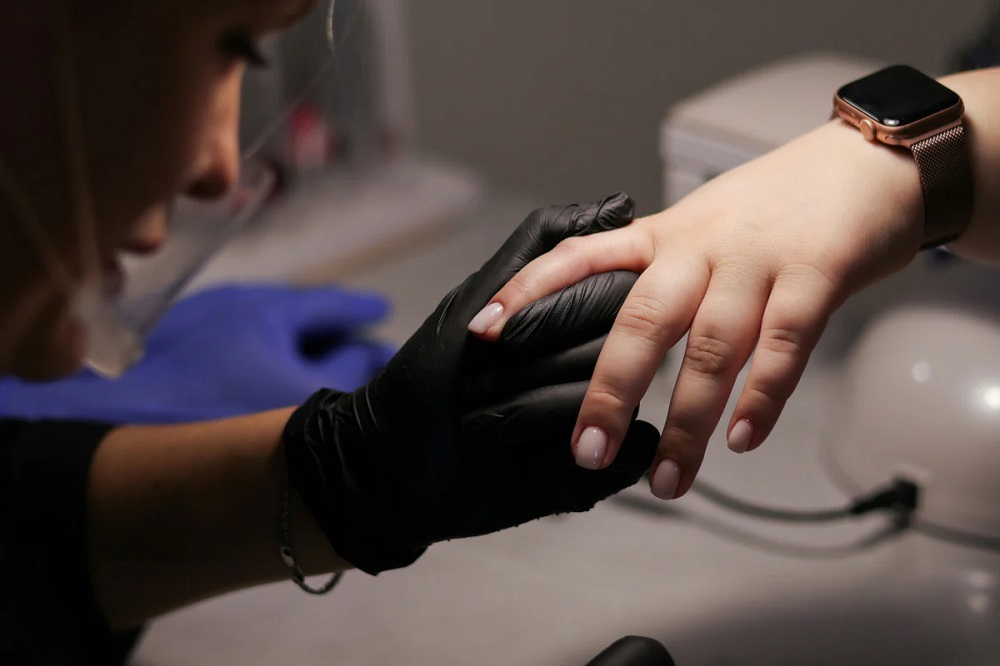

A fresh salon manicure is an instant confidence booster. Whether you prefer traditional polish, long-wearing gel, dip powder, or acrylic extensions, leaving the salon with perfectly shaped, glossy nails provides a sense of polished refinement. However, the real challenge begins the moment you step outside the salon door and return to your daily routine.
For many individuals, a manicure that looked flawless on Saturday begins to chip, lift, or peel by the following Thursday. While the skill of your nail technician and the quality of the products used play a massive role in the longevity of your manicure, your post-salon habits are equally critical.
With the right maintenance strategy, protective measures, and daily care routines, you can easily extend the life of your salon manicure past the fourteen-day threshold. This not only preserves your aesthetic but also saves you significant time and money on frequent salon touch-ups.
The Chemistry of Nail Care and Why Manicures Fail
To effectively prevent a manicure from deteriorating, it helps to understand the underlying reasons why polish and enhancements separate from the natural nail bed. The human nail is composed of layers of keratinized protein. This structure is naturally porous, meaning it constantly absorbs and releases moisture and oils.
When your natural nail plate expands and contracts due to water exposure or temperature changes, the rigid layer of polish or gel on top cannot flex at the same rate. This structural tension causes the bonding agents to snap, leading to micro-cracks, lifting, and inevitable chipping.
Furthermore, the natural oils produced by your skin can seep underneath the edges of the polish if the perimeter is not sealed correctly. By targeting these chemical and physical vulnerabilities, you can create an environment where your manicure remains completely anchored for three weeks or longer.
Critical Actions to Take During the First Twenty-Four Hours
The first day after receiving a manicure is the most volatile period for the product, as the curing or drying process often continues subtly beneath the surface layer.
Avoid Immediate Water Submersion
Even if your gel manicure was cured under a light-emitting diode lamp and feels completely dry to the touch, the underlying layers are still stabilizing. Avoid long, hot baths, swimming pools, saunas, and washing dishes by hand for at least twenty-four hours after your appointment. The intense heat and moisture can cause the freshly applied product to soften and lift at the cuticle line before it achieves its maximum structural bond.
Apply a Preventative Shield
If you received a traditional regular polish manicure, apply a fresh layer of a high-quality, fast-drying top coat exactly twenty-four hours after leaving the salon. This seals in any minor surface scratches that occurred during your first day of movement and adds a fresh barrier against everyday friction.
Daily Maintenance Habits for Longevity
Extending a manicure past the two-week mark requires a commitment to a few simple daily habits that take less than two minutes to execute.
The Power of Cuticle Oil
If you only adopt one habit from this guide, make it the daily application of cuticle oil. When the skin surrounding your nail bed becomes dry and dehydrated, it pulls away from the nail plate, creating an entry point for water and debris to get underneath your polish.
-
Look for oils containing small-molecule ingredients like jojoba oil, vitamin E, or sweet almond oil, which can actually penetrate the nail matrix.
-
Apply a single drop to the base of each nail every night before bed and massage it thoroughly into the cuticles and sidewalls.
-
This practice keeps the natural nail flexible, allowing it to absorb daily impacts without transferring the stress to the rigid polish layer.
Moisturize with Intention
Whenever you wash your hands, you strip away natural lipids. Follow every hand-washing session with a nutrient-rich hand cream. However, pay attention to how you apply it. After rubbing the lotion into your hands, take a dry towel and gently wipe the surface of your actual fingernails. Excessive lotion buildup on top of certain gel top coats can cause the shine to dull prematurely.
Environmental and Physical Protection Tactics
Your hands interact with dozens of abrasive surfaces every day. Treating your nails as delicate tools rather than indestructible instruments is essential for preventing structural failure.
Wear Heavy-Duty Gloves
Household cleaning products, laundry detergents, and dish soaps are formulated to break down grease and oils. Unfortunately, these harsh chemical compounds also aggressively break down the polymers in your salon manicure.
-
Always wear rubber or nitrile gloves when washing dishes, cleaning the bathroom, or wiping down countertops.
-
Wear gardening gloves when working in the yard to prevent soil particles from wedging beneath the free edge of your nail, which acts as a wedge that forces the polish upward.
Eradicate the Use of Nails as Tools
Stop using your fingernails to pry open soda cans, scrape off labels, unclip keychains, or open delivery boxes. When you apply vertical pressure to the tip of your nail, it bends. While your natural nail might handle the flex, the brittle polish or extension on top will develop hairline fractures that quickly turn into large chips. Use real tools like pennies, butter knives, or box cutters to handle these daily tasks instead.
How to Handle Minor Damage at Home
When a small snag or lift occurs, your immediate reaction dictates whether the entire manicure is ruined or saved.
File Smoothly and Immediately
If you catch a small chip or a rough edge on the side of your nail, do not pull or pick at it. Pulling at loose polish peels away the microscopic top layers of your natural keratin, leaving your nail weak and thin. Instead, take a high-grit glass nail file and gently file the edge in a single, downward direction. Filing smooths out the snag, preventing it from catching on clothing and tearing the polish further down the nail bed.
Re-Cap the Free Edge
The free edge is the very tip of your fingernail. When a manicurist applies polish, they run the brush horizontally along this edge to wrap the product around the tip. This is called capping. As you type on keyboards and scratch surfaces, this cap naturally wears off first. Every four to five days, use a clear top coat to re-cap the tips of your nails at home, sealing the edge back up against external moisture.
The Relationship with Your Nail Technician
Long-lasting results are a collaborative effort between your daily home care and the preparation work done inside the salon. During your next visit, ensure your technician is practicing proper nail preparation. The nail plate must be completely dehydrated using an alcohol or acetone swipe before any base coat is applied. Any living cuticle tissue on the nail plate must be meticulously removed, as polish will never adhere long-term to skin. If you notice your manicurist skipping these foundational preparation steps, it might be time to seek out a technician who prioritizes structural health over speed.
Frequently Asked Questions
Why does my gel manicure start peeling off in one clean sheet from the base?
This type of lifting is almost always caused by improper cuticle preparation or incorrect product application at the base of the nail. If the base coat or color polish touches the living cuticle skin or the surrounding sidewalls during application, it creates a bridge. As your nail grows and your skin moves, that bridge snaps, allowing air and water to enter beneath the product and lift the entire layer off in a single piece.
Can typing on a computer keyboard cause a manicure to chip faster?
Yes, constant typing can significantly reduce the lifespan of a manicure if you type with the tips of your nails. The repeated, percussive impact against plastic keys creates micro-shocks that weaken the bond at the free edge of the nail. To protect your manicure, practice typing with the fleshy pads of your fingertips rather than the vertical tips of your nails.
Is it safe to use hand sanitizer frequently with a gel or acrylic manicure?
Frequent use of alcohol-based hand sanitizers can dry out your cuticles and eventually dull the high-gloss shine of certain non-wipe top coats. While it will not immediately dissolve cured gel or acrylic, the drying effect on the surrounding skin increases the likelihood of lifting. It is better to wash your hands with mild soap and follow up immediately with a hydrating lotion whenever possible.
What should I do if water gets trapped under a lifted acrylic or gel nail?
If you notice a significant pocket of lifting where water can trap itself, you should return to the salon to have it properly removed or repaired. Leaving trapped water beneath a nail enhancement creates a dark, moist environment where pseudomonas bacteria can thrive. This often results in a harmless but unsightly green stain on the nail plate, commonly referred to as a greenie in the salon industry.
Why do my nails feel weak and bendy after removing a long-lasting manicure?
The weakness is rarely caused by the product itself, but rather by aggressive removal techniques or over-filing during the preparation phase. Scraping at gel or dip powder before it has fully dissolved removes the vital dorsal layers of your natural nail plate. To prevent this, ensure your salon uses gentle soaking methods and never forces or scrapes enhancements off with metal tools.
How does the length and shape of my natural nail affect the lifespan of a manicure?
Shorter, rounded, or oval nail shapes tend to hold manicures significantly longer than long, square, or pointed shapes. Square corners provide sharp edges that easily snag on fabric and absorb more daily impact shock. Shorter, rounded nails mimic the natural contours of your fingers, distributing everyday friction more evenly and reducing the leverage that causes bending and breaking.

Comments are closed.